
Advertisement
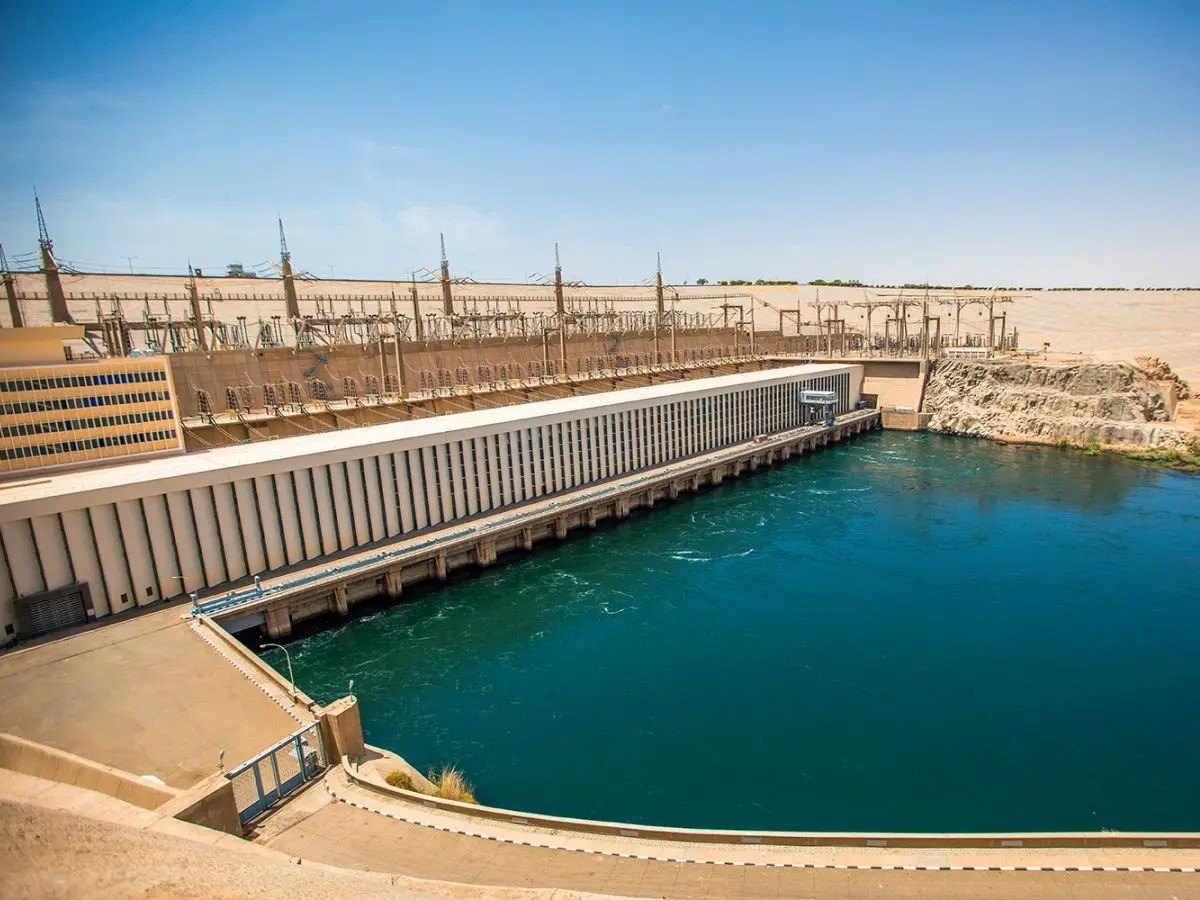
Under the blazing sun in southern Egypt, a huge concrete building stretches across the Nile, like a silent giant hugging Africa's most unruly river with its arms. This is the Aswan High Dam, one of the most ambitious attempts in modern engineering history - humans try to use technology to "tame" the Nile, a natural miracle that has flowed for millions of years. Located about 13 kilometers north of Aswan, this behemoth has not only changed Egypt's topography and economy, but also reshaped the relationship between the entire Nile River Basin civilization and the river. When you stand on the 111-meter-high dam, looking at the mirror-like Lake Nasser under your feet and the winding river of the Nile in the distance, it is hard not to think: Are we conquering nature, or are we reaching a new balance with nature?
Advertisement
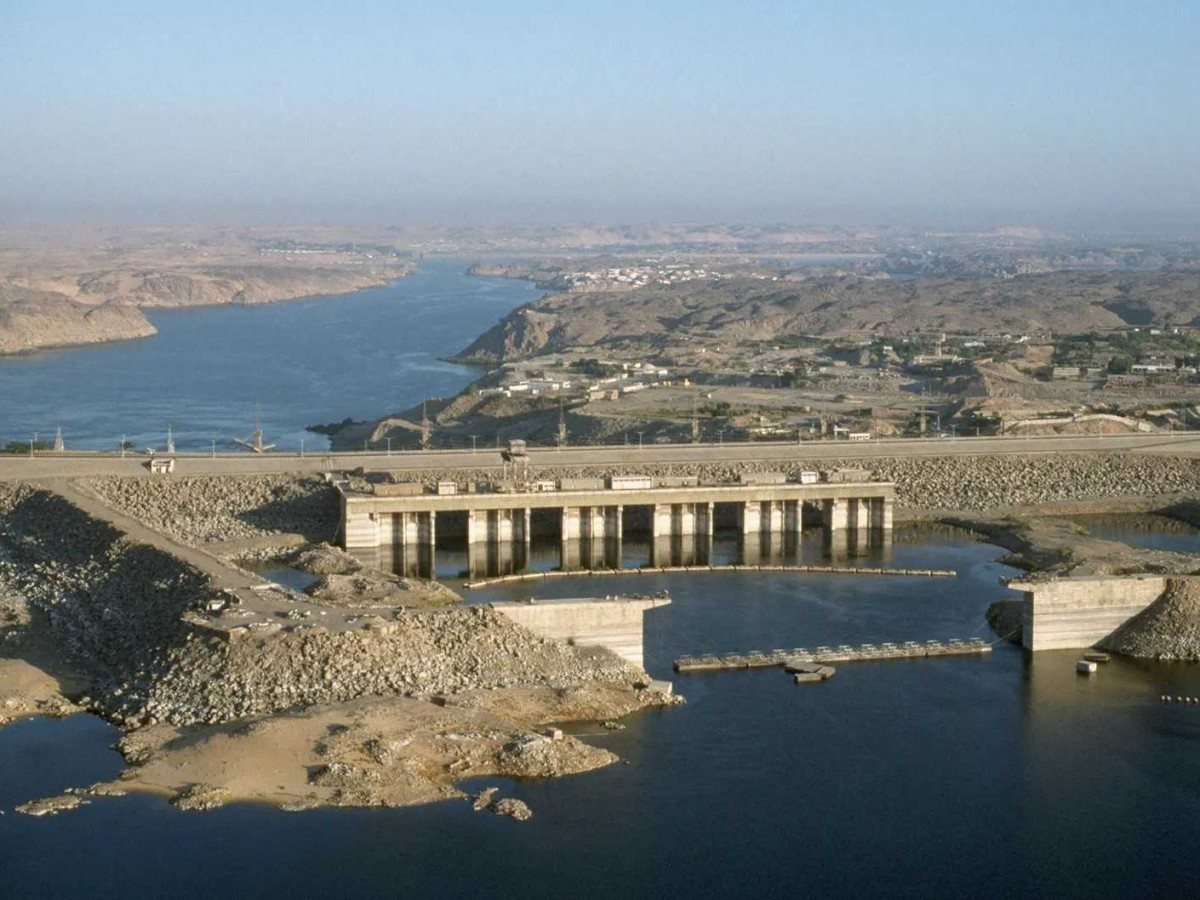
The sheer size of the Aswan High Dam is enough to take anyone's breath away when they see it for the first time. The main dam is 3,600 meters long, 980 meters wide at the base and 40 meters wide at the top, and the total amount of building materials used is 17 times that of the Great Pyramid of Giza. Built between 1960 and 1970, the giant structure impounds Lake Nasser, which stretches for 500 kilometers, 350 kilometers of which are in Egypt and 150 kilometers into northern Sudan. The widest part is 35 kilometers, and the water storage capacity is 169 billion cubic meters - equivalent to the natural flow of the Nile River in two and a half years.
Advertisement
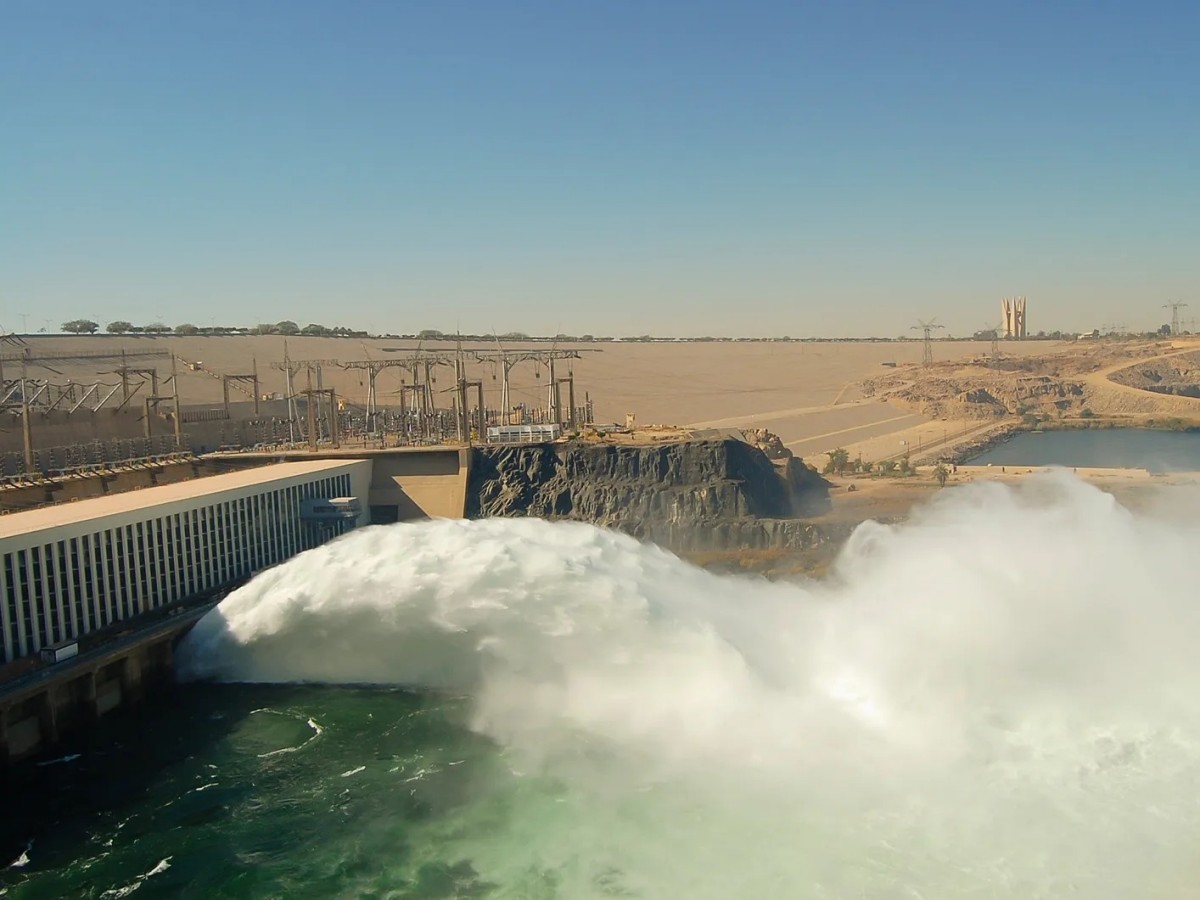
But even more amazing is its design wisdom. Engineers used a unique "core wall" structure: in the center is an impermeable core made of clay and cement, and on both sides are piled gravel and rock. This structure ensures strength and saves materials. The dam is equipped with 12 generators with a total installed capacity of 2,100 megawatts, providing about half of Egypt's electricity needs. When visiting, you may wish to observe the design of the spillway - when the water level exceeds the warning line, the excess water will be safely discharged through carefully calculated slopes and energy dissipation pools. This design made the dam safe during the major floods in 1976 and 1988.
To fully experience the Aswan High Dam, it is recommended to reserve at least half a day. The best time to visit is early morning or evening, avoiding the midday heat. From downtown Aswan, you can charter a car or join a local tour group, and the drive takes about 30 minutes. You need to buy a ticket to enter the scenic area (about 100 Egyptian pounds), and remember to bring your passport, because this is a military sensitive area.
Advertisement
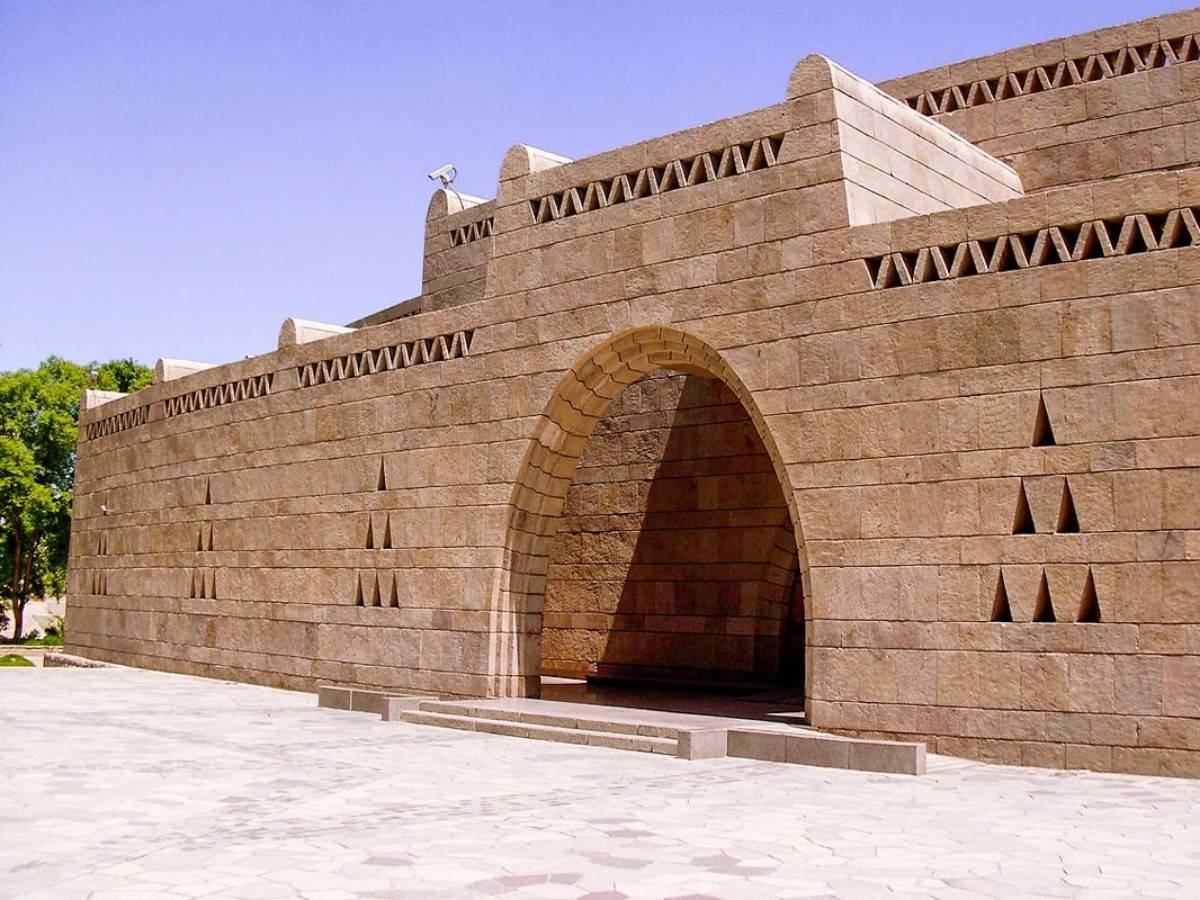
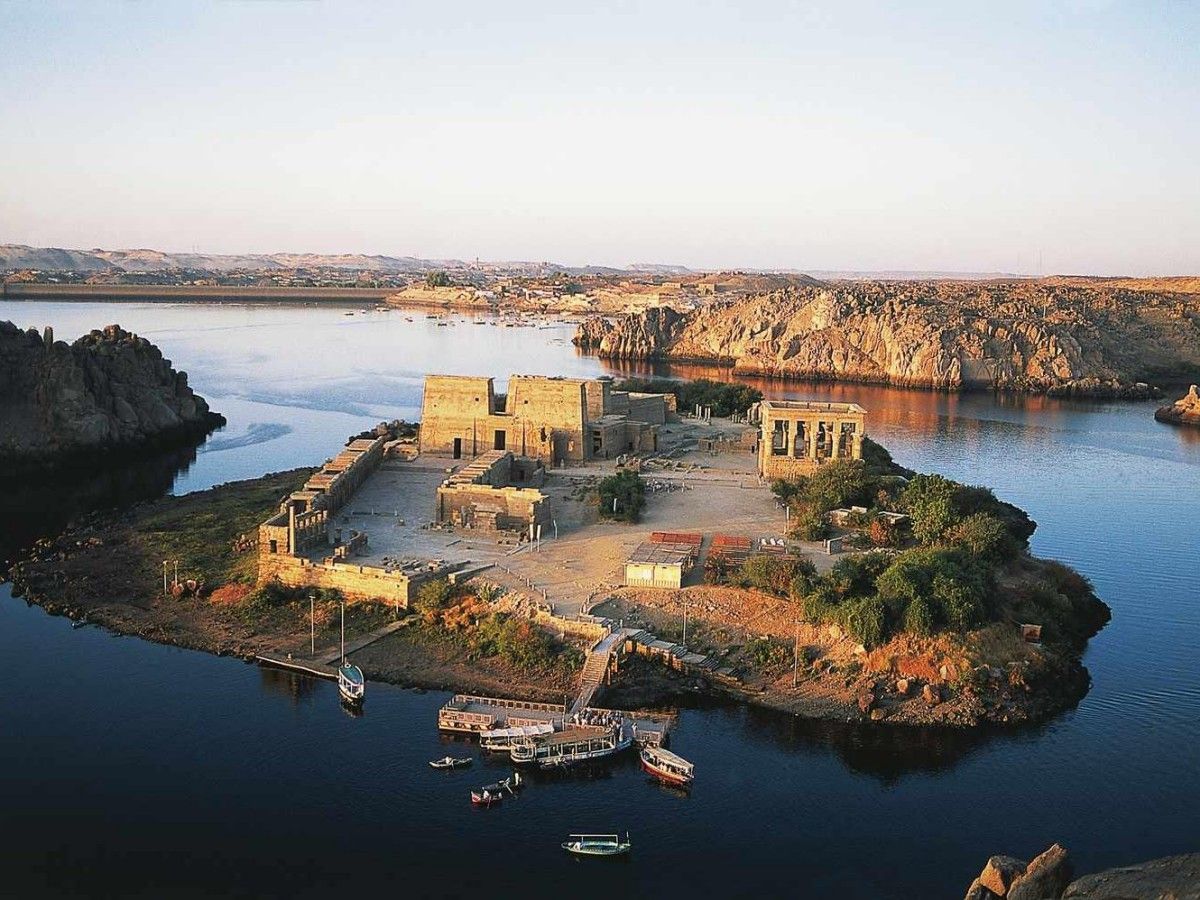
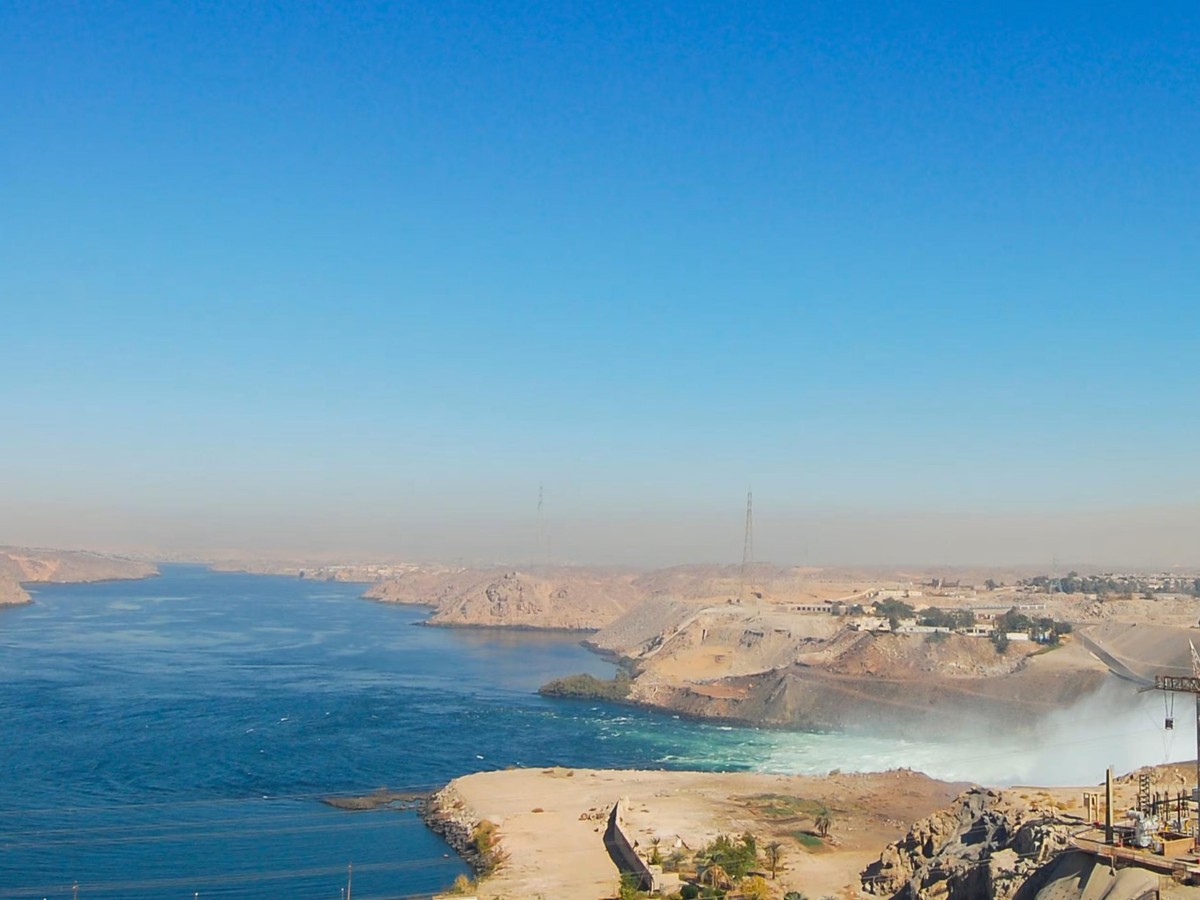
The first must-see stop is the dam top observation deck, from which you can see Lake Nasser upstream and the Nile River downstream at the same time. The contrasting water surface height difference directly demonstrates the role of the dam. Then visit the memorial tower on the west bank. This lotus-shaped building has an exhibition hall that details the history of the dam. The top observation deck is the best place to take a panoramic view of the dam. If time permits, you can take a boat tour of Lake Nasser to observe the dam structure up close. You may also see the remains of ancient temples rescued from the flooded area on the way.
Special reminder: The dam area has strict security checks. Large backpacks and professional photography equipment are prohibited (mobile phones and small cameras are allowed). It is recommended to dress conservatively. The local guide will tell many interesting details, such as how Soviet engineers solved the problem of concrete pouring in the high temperature of the desert, or how the ancient Egyptian artifacts discovered during the construction led to UNESCO's global cultural heritage protection movement.
The completion of the Aswan High Dam has completely changed Egypt. It ended the history of the Nile River flooding every year, increased the cultivated land area by 30%, and doubled the power supply, but it also brought unexpected ecological costs. The Nile Delta is gradually shrinking due to lack of silt replenishment, the backflow of Mediterranean salt water threatens farmland, and the incidence of schistosomiasis is rising... All of these are objectively presented in the museum next to the dam.
Standing on the dam, you will realize that this is not only a water conservancy project, but also a mirror reflecting human ambitions. Egyptians are proud of it because it realizes the pharaohs' dream of controlling the Nile for thousands of years; environmentalists are worried about it because it shows the limit of human intervention in nature; and the Nile River still flows quietly, as if reminding us: all conquests are temporary, only change is eternal. When the sunset casts the shadow of the dam on the surface of Lake Nasser, forming a clear dividing line, you will understand that the Aswan High Dam is not the end, but a comma in the long dialogue between humans and nature.